Surfaces Built Over Compacted Base
Hardscaping & Outdoor Living Projects in Summerville for patios, walkways, and outdoor spaces that need base preparation before surface material is set
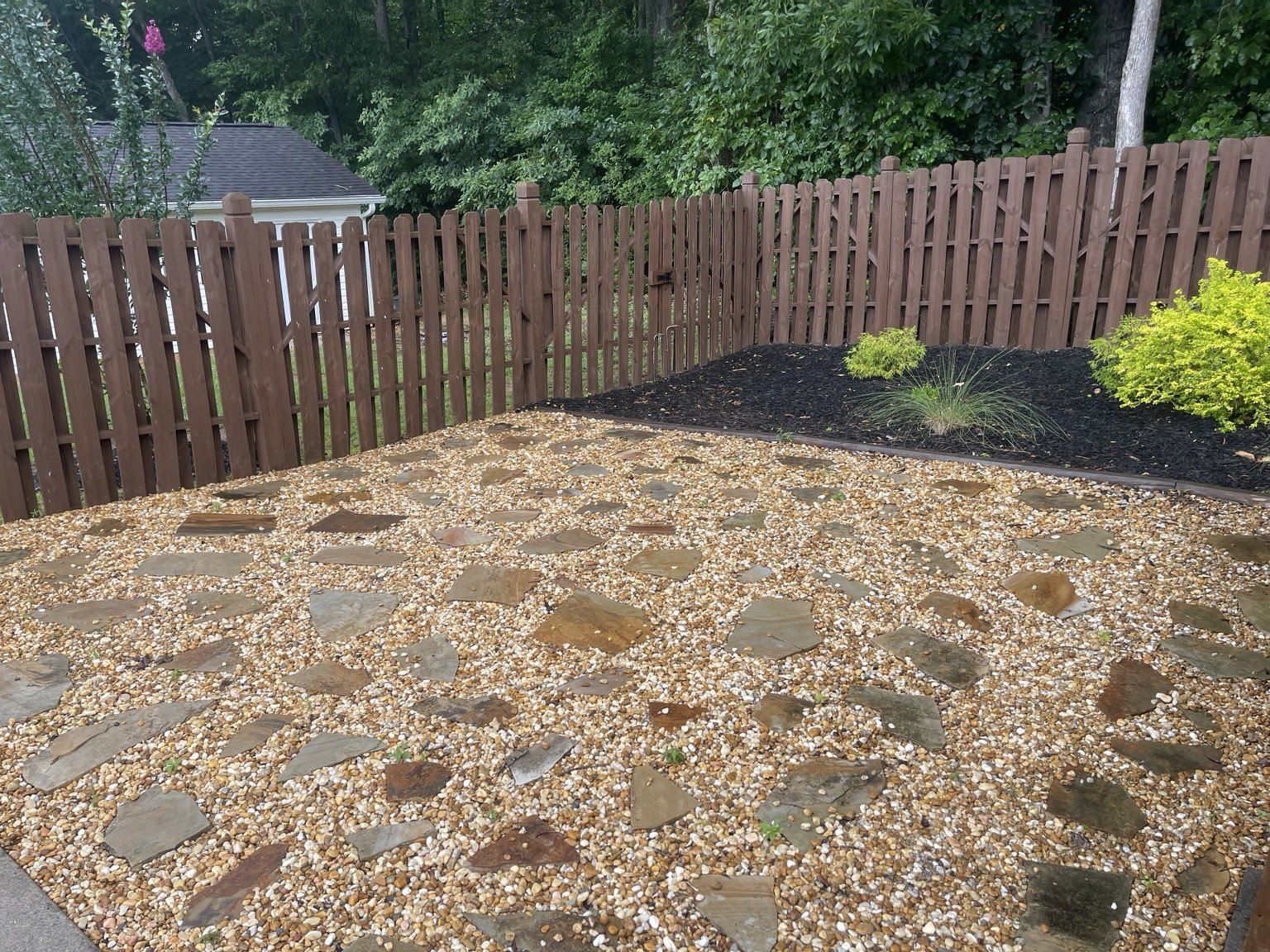
Patios and walkways that settle unevenly or develop low spots over time are usually built over soil that was not excavated and compacted before the surface material was set. Work begins with a site survey and a layout agreed with the customer, then the area is excavated, a compacted base is laid and leveled, and the surface material is set with joints filled. Adams Property Works combines grading and clearing capability with hardscape work, so site prep is handled by the same people building the surface, and the owner runs each project personally from the site visit through the finished work.
Edging and final grading follow once the surface is set, and the crew clears its debris from the property when finished. The base is compacted in layers to prevent settling, and the surface is set with joints filled to prevent shifting and weed growth between pavers or stones.
Ask for a written estimate covering base preparation and materials before work starts, and the crew will review the site survey and layout during the initial visit.
What Happens After the Surface Is Finished
The area is excavated to a depth that accommodates the base material and the surface layer, typically six to eight inches total depending on the material and expected load. A compacted base is laid in layers, with each layer tamped before the next is added, which prevents the base from settling unevenly and causing the surface to crack or sink over time.
After the project is finished, the surface is level and firm underfoot, joints are filled to prevent shifting and weed growth, and edging holds the perimeter in place so material does not spread or sink at the edges. The surface drains away from structures rather than pooling water, and the base supports the surface without settling or developing low spots where water collects.
Final grading around the finished surface ensures that water drains away from the patio or walkway rather than running across it or pooling at the edges, which is part of the site prep and grading work the crew handles in-house.
Questions Before Starting Your Project
Customers planning patios and walkways in Summerville and Trion often ask about base preparation and what happens during the installation.
What is included in the site survey before work starts?
The crew measures the area, identifies slope and drainage patterns, and discusses the layout and material options with the customer, then provides a written estimate covering base preparation and surface materials.
How deep is the area excavated before the base is laid?
The excavation depth depends on the surface material and expected load, typically six to eight inches total to accommodate the compacted base and the surface layer without the finished surface sitting too high or too low relative to surrounding grade.
Why is the base compacted in layers instead of all at once?
Compacting in layers ensures that the base is firm and stable throughout its depth, which prevents settling and avoids low spots or sinking that develop when loose base material is compacted only at the top.
What does filling the joints between pavers or stones prevent?
Filling the joints with sand or polymeric sand locks the surface material in place and prevents shifting, and it blocks weed seeds from germinating in the gaps between pavers or stones.
How is the finished surface checked for proper drainage?
The crew grades the base and the finished surface to slope away from structures, and checks for low spots where water would pool rather than running off the patio or walkway.
Adams Property Works also builds patios, walkways, and outdoor living spaces in Rome, Trion, Lafayette, Chattanooga, and Calhoun. Request a written estimate covering base preparation and materials, and the crew will review the site survey and layout during the initial visit.